My Machu Picchu Experience
Updated: May 30, 2025
Traveling to Peru and spending time in the Andes truly took my breath away. Maybe it was because of elevation but I was in total awe of the area around me. To see such detailed architecture made with such limited tools and the sheer beauty of the isolated area was the most amazing thing I have ever seen.
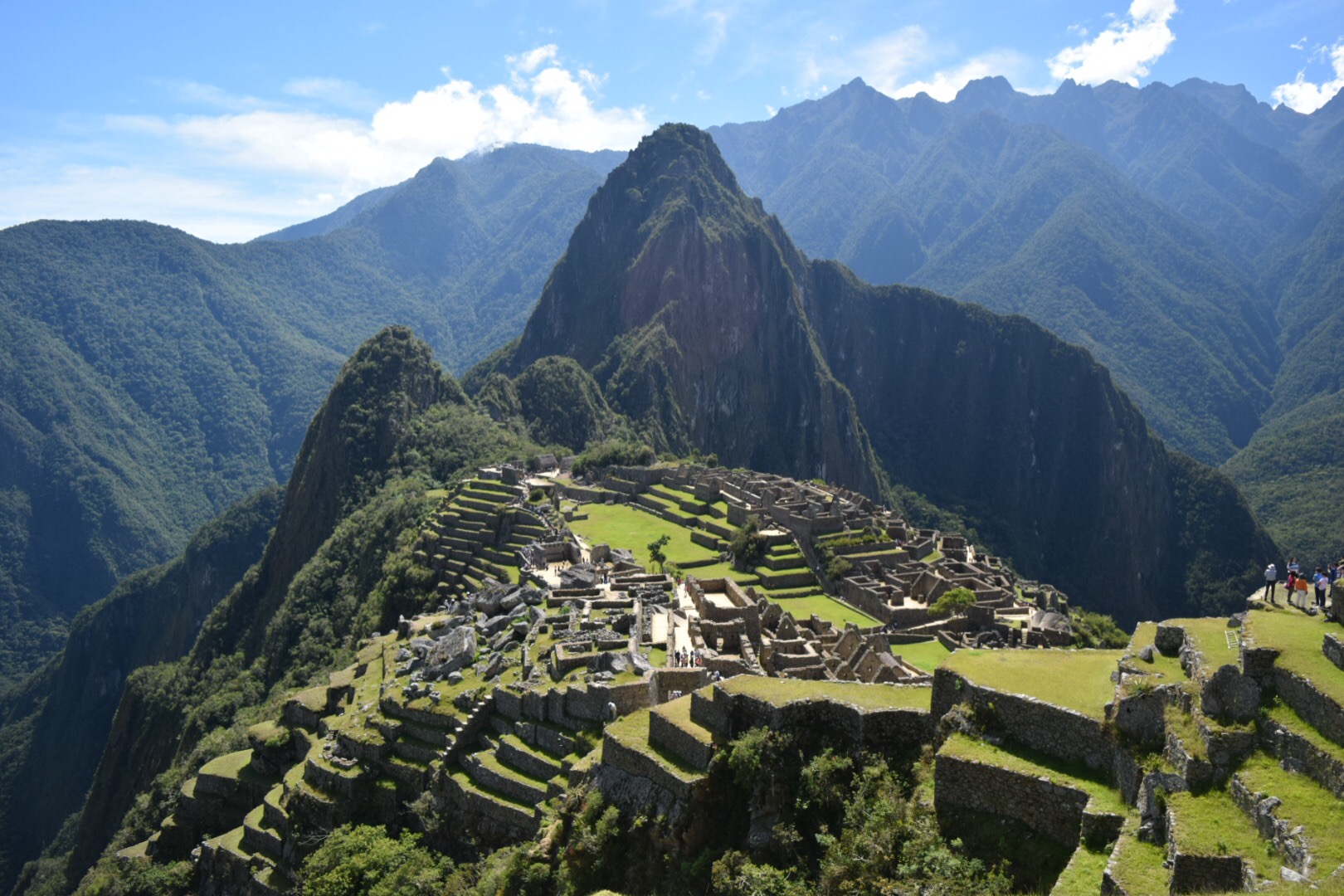
My group took a fairly simple route to get to Machu Picchu, which was great. We were based in Ollantaytambo, my favorite town in Peru. From there, we took the train to Aguas Calientes, the gateway to Machu Picchu. Then, we took a bus to the bottom of the park, which was a route involving many switchbacks and tight turns. At the entrance, we used the bathrooms (cost 2 soles, or 66 US Cents) and entered through the gate and met with our tour guides. The path to the postcard-like view is crowded but for the most part, the park seemed quiet and not near as busy as it actually is. My advice is to skip taking pictures at the first opening, but to wait and move up higher. From there, you can decide where to go.
Machu Picchu was built around 1450 by the Incas. It took many years to build and was created with no machines that we have today, but purely by human strength. The large stones were split by filling natural cracks in the rock with wood and then filling the wood with water, causing it to swell. The rock would fall and would be brought up to the necessary place by the people. In 1532, the conquistadors from Europe ventured into the Andes. The Inca people survived due to their bodies being acclimated to the altitude, but Machu Picchu was then isolated for many years until 1911 when Hiram Bingham, an American explorer followed the local myths into the mountains.
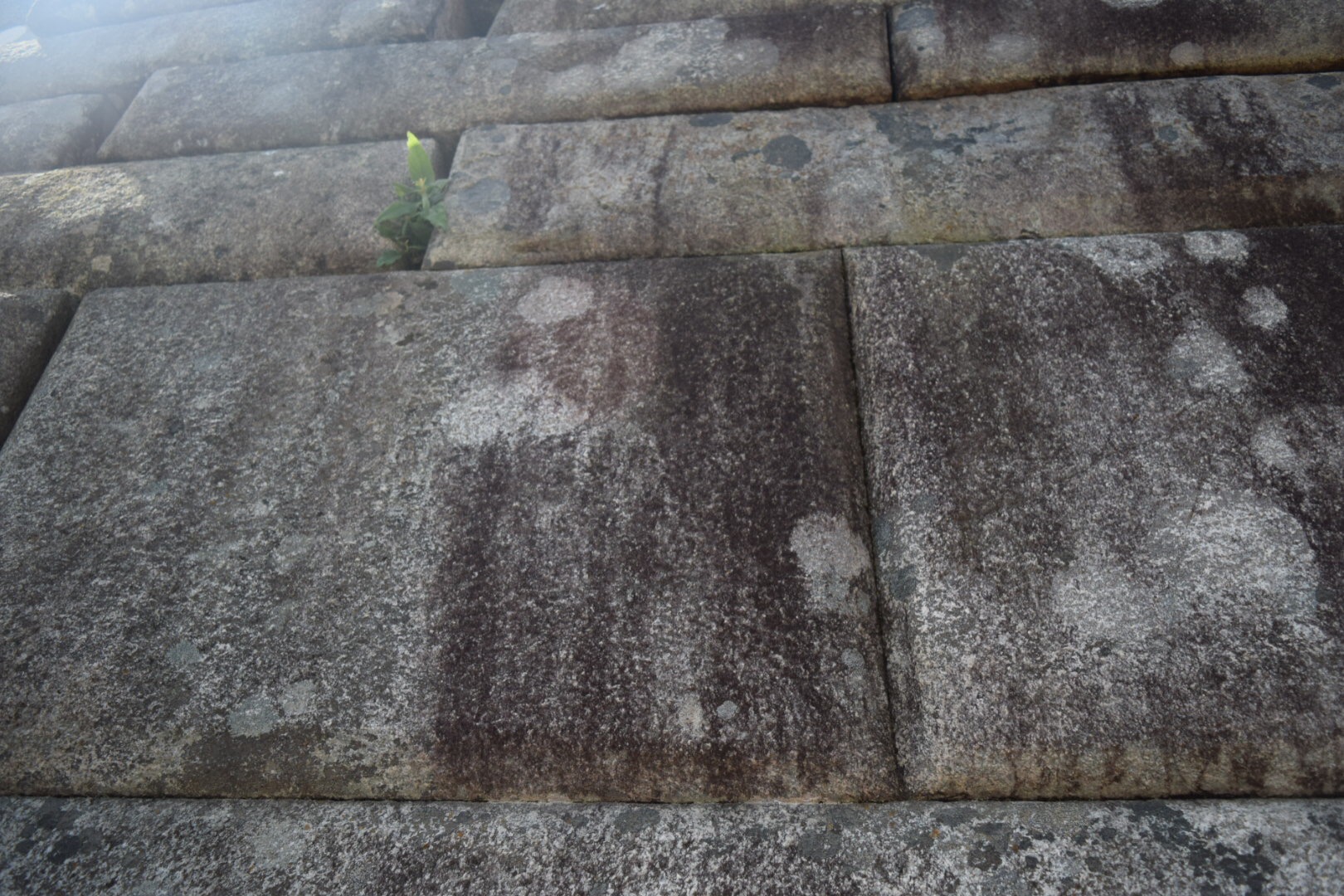
Quite impressively, the buildings had remained intact despite earthquakes and time, all due to Incan masonry and today, Machu Picchu is open to the world and remains one of the New Wonders of the World.
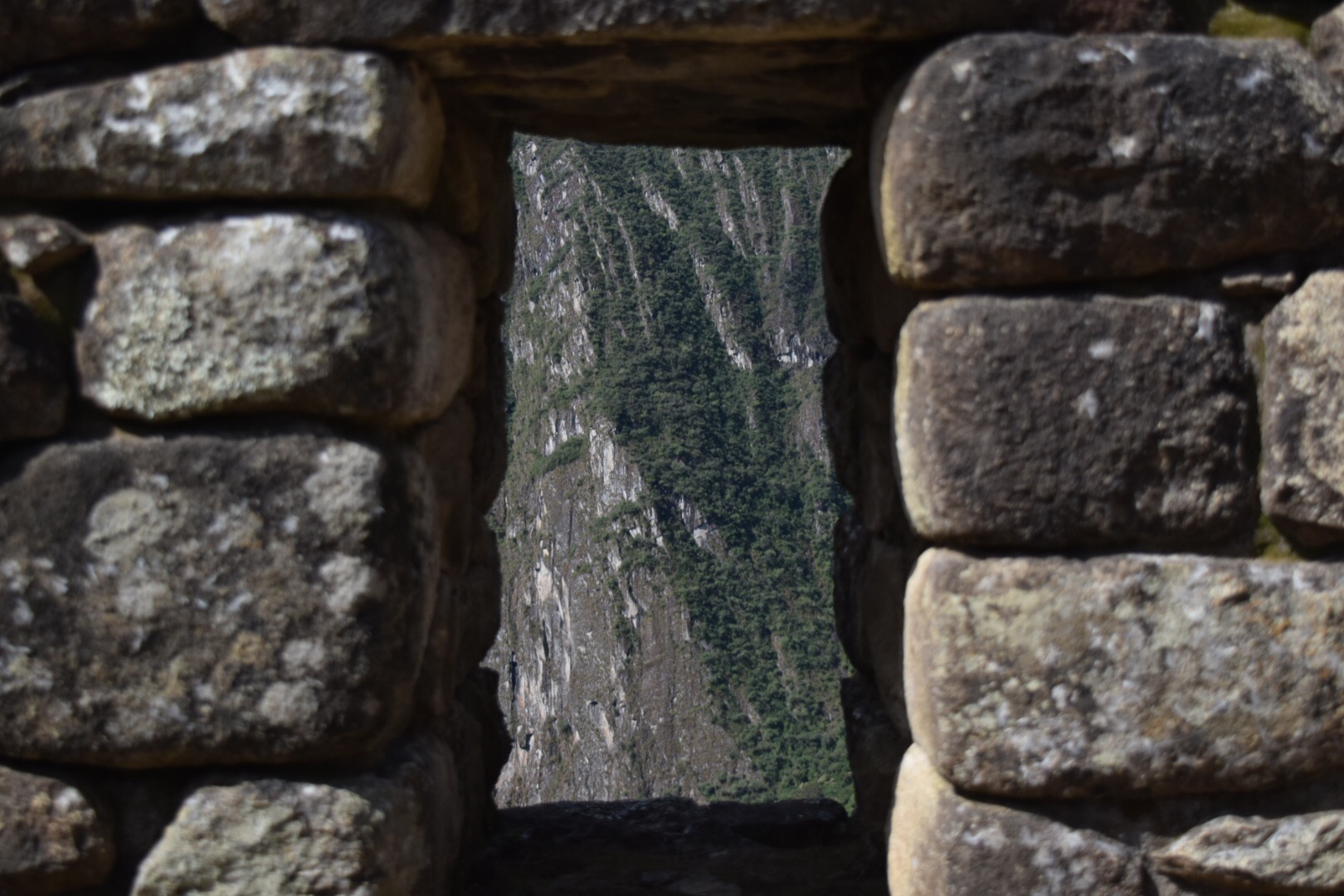
Unbeknownst to me, Machu Picchu has many hidden secrets. For starters, the main mountain that it is built on, is actually the face of a sleeping Inca. All this time of gazing at photos and I never realized it! Try tilting your head to the right to see it!
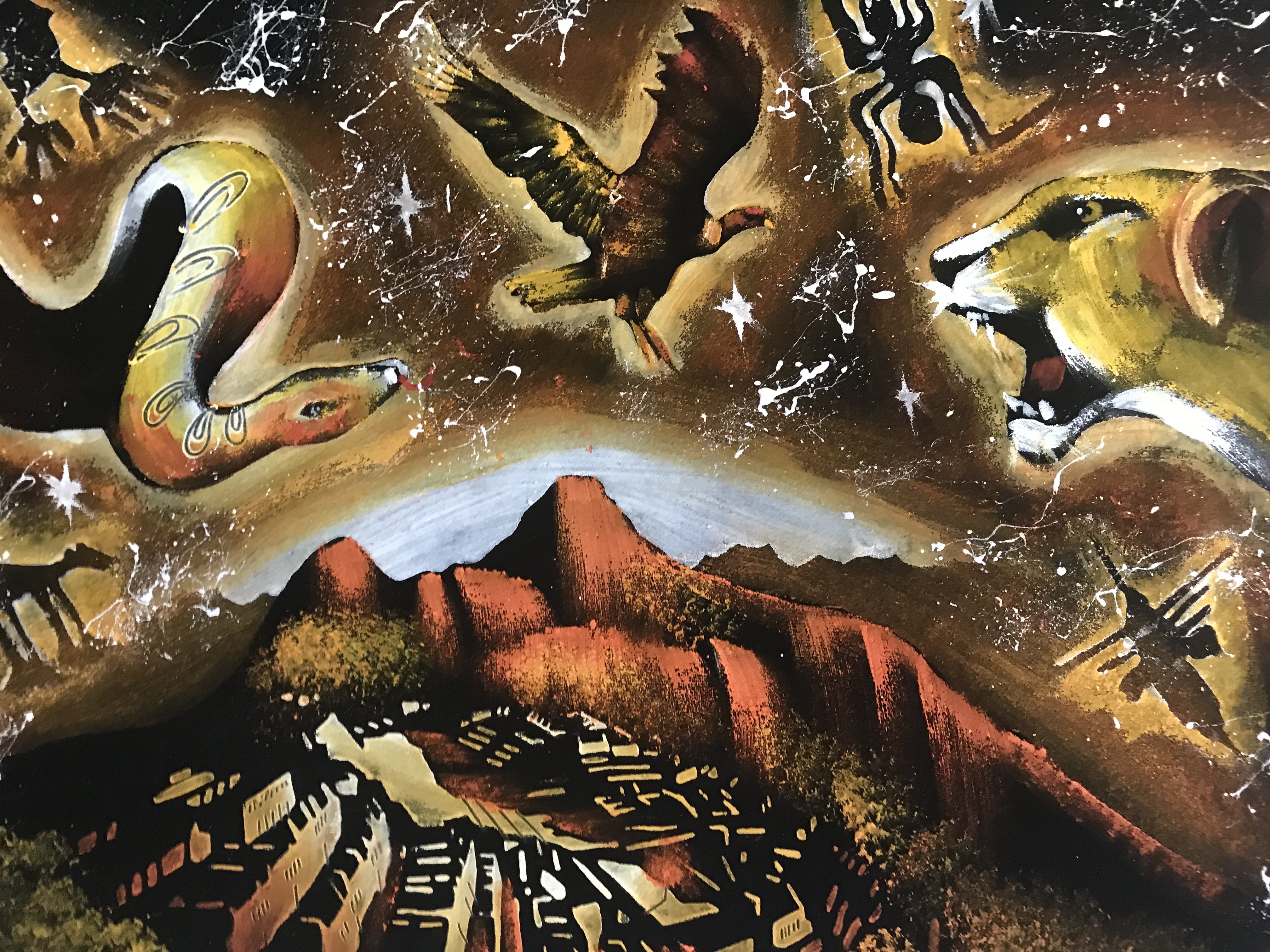
There are other hidden features. For example, if you look upon the ruins from the peak in the middle, they look like the outline of a condor, which was the Incan symbol for the afterlife. The snake, which is the guardian of the past world and the puma, the guardian of the present world, along with the condor represent the Incan trinity.
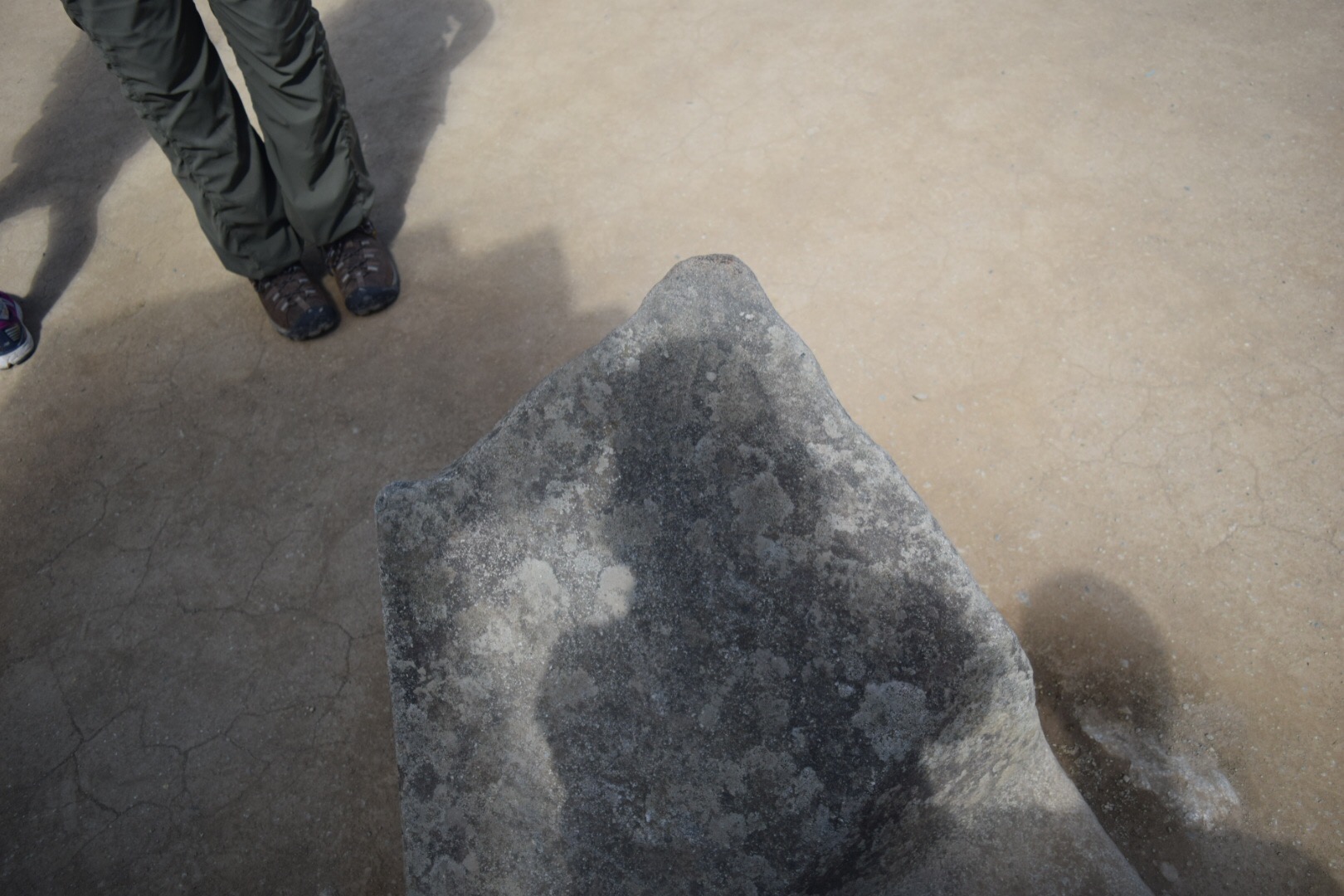
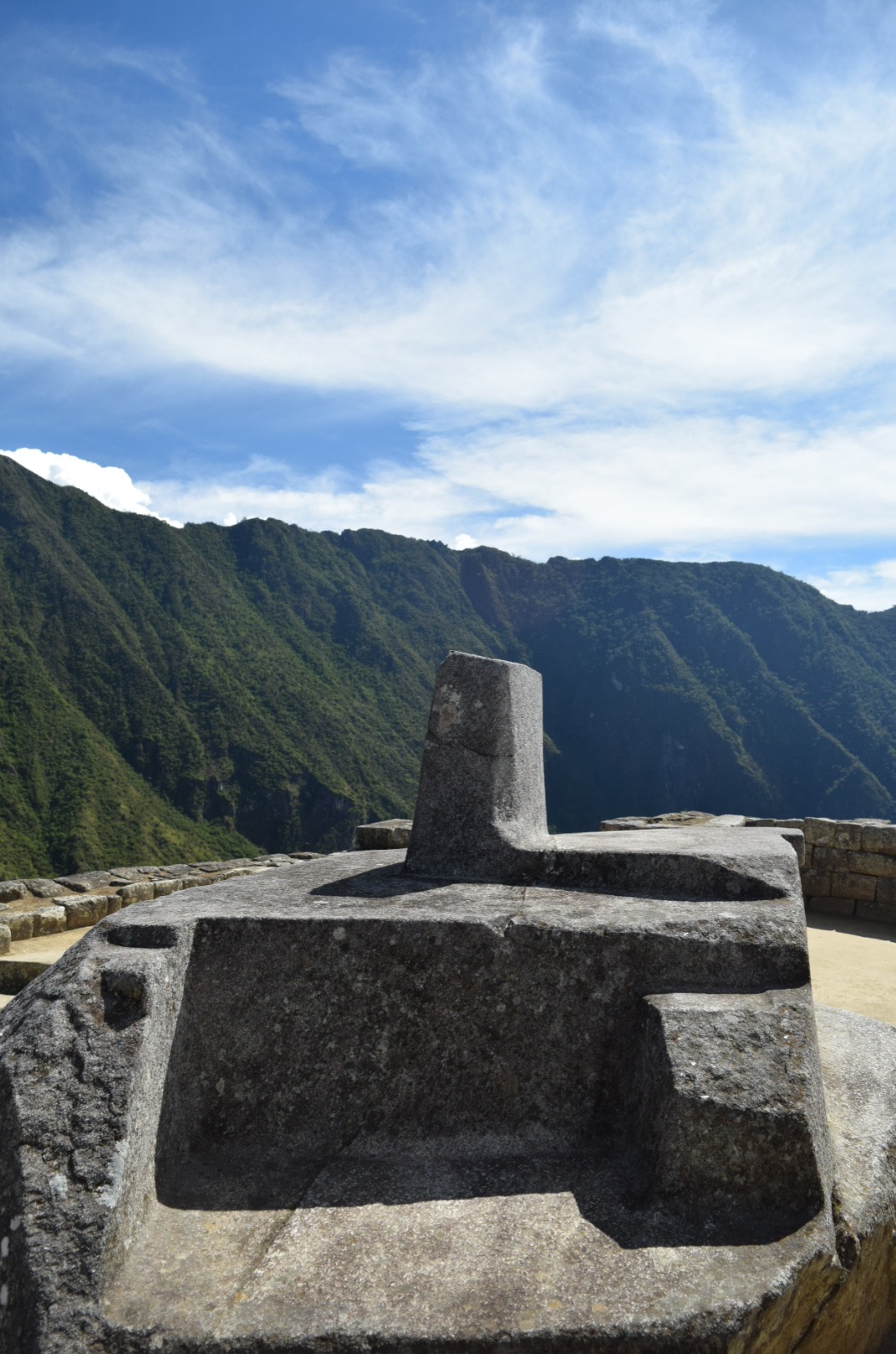
Also, the Incas were heavily interested in astrology and incorporated this into their buildings. There is a stone that recognized both of the solstices during the year and also a sundial. The most peculiar feature is a rock that gives the exact directions of North, South, East, and West. If you don’t believe it, try aligning your compass on your phone!
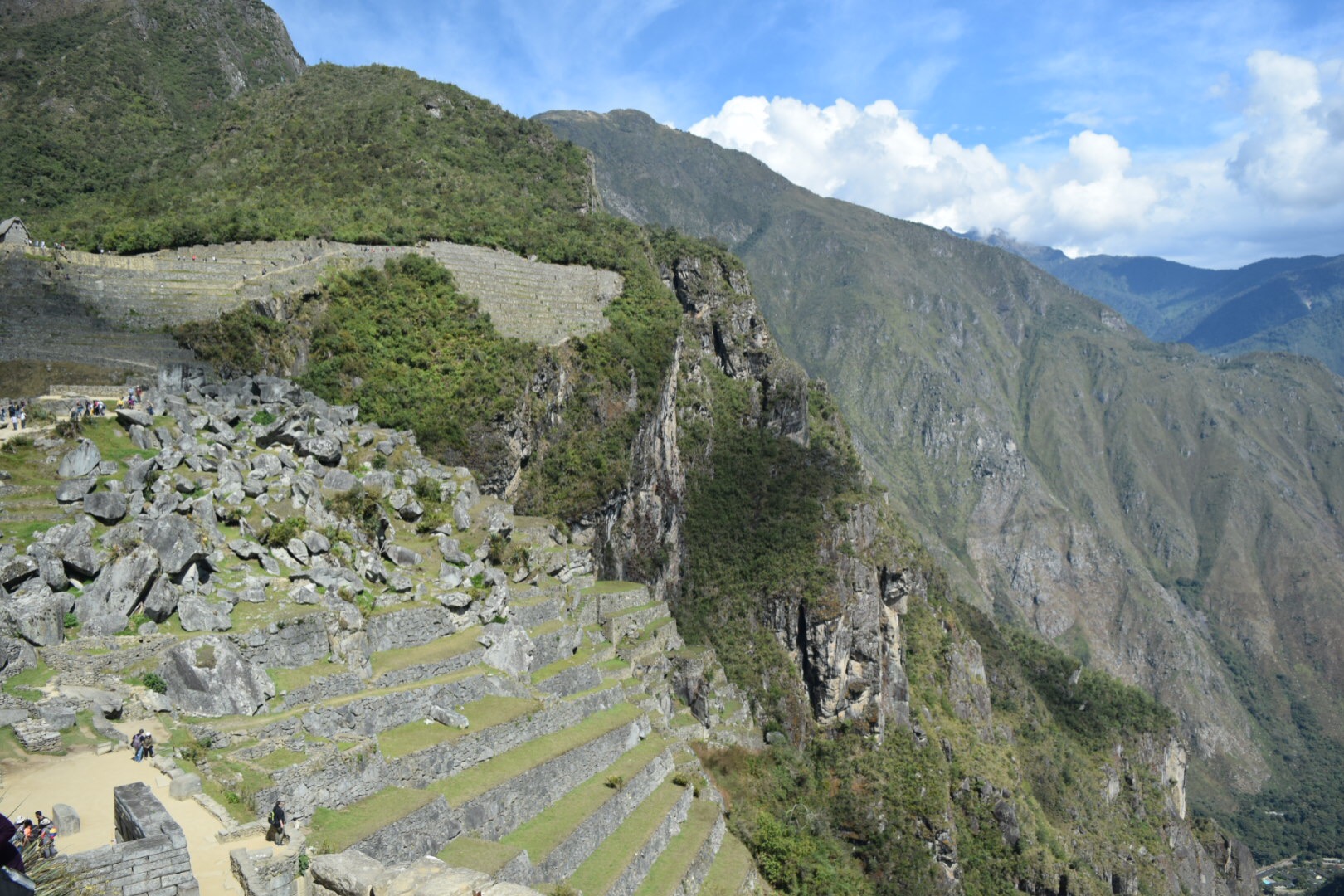
Also, make sure to take note of the impressive terraces everywhere. There are so many across Peru in general and many are still active, using Incan methods of agriculture. Peru is famous for its many types of potatoes, which were created by planting the same plant and the different levels of terraces got more oxygen than others, creating different kinds of potatoes.
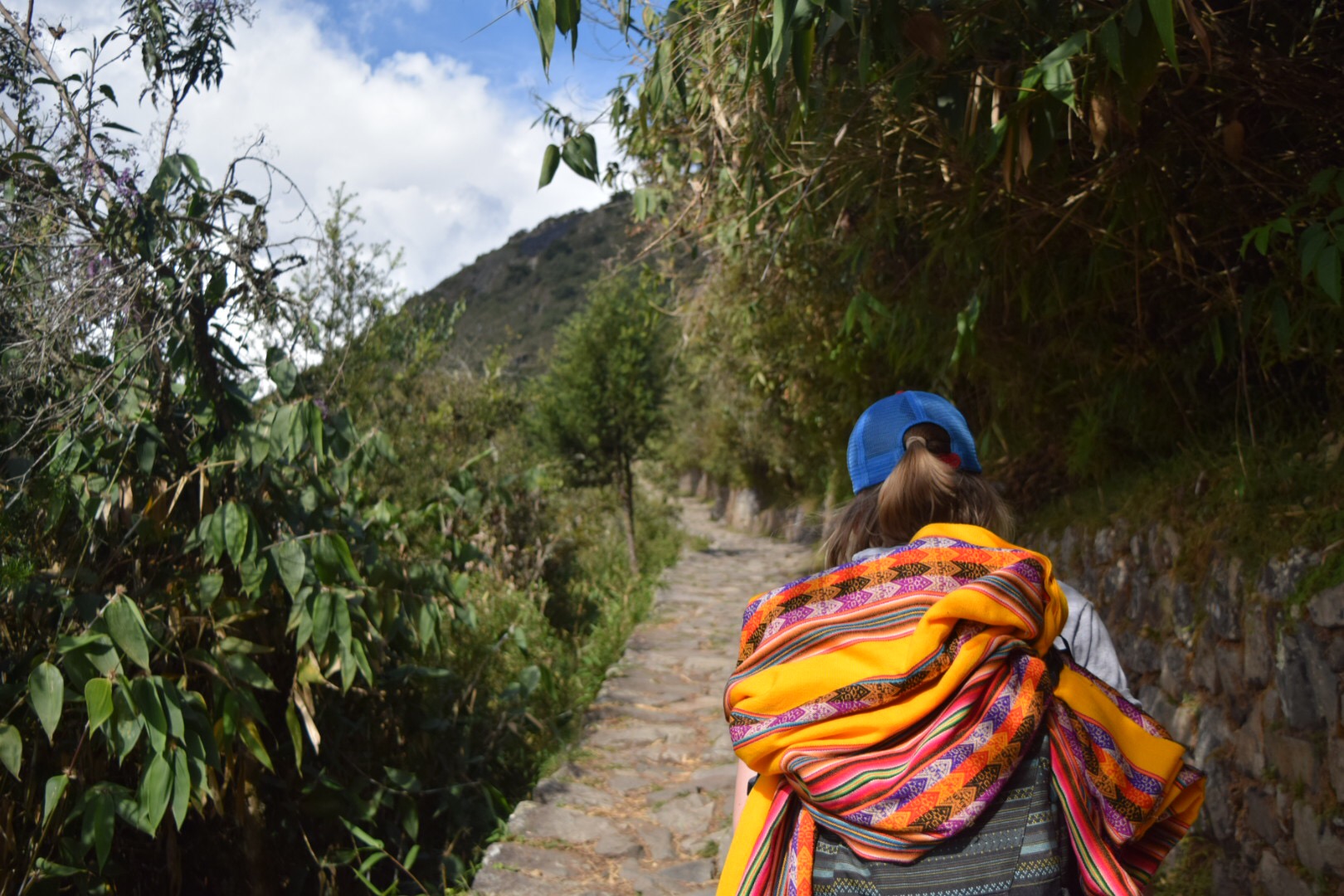
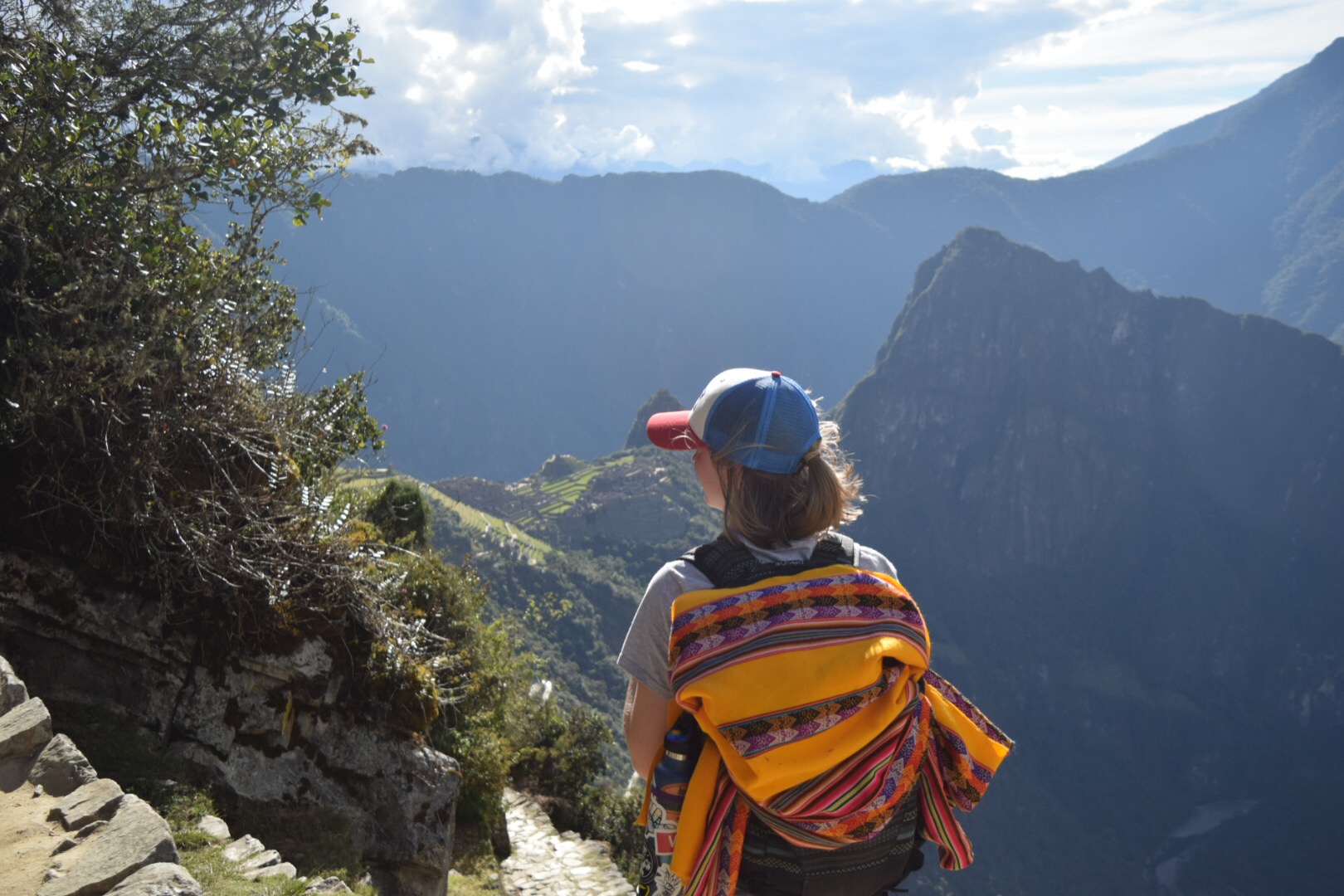
The hike to the Sun Gate is a good option to consider adding into seeing the main ruins. It takes about 45 minutes to get to the top and is mostly stairs, which can be tiring, but its worth it! It is almost a 1,000 foot gain but offers a fantastic view and more ruins to explore. One can also continue to the Incan path, which can be dangerous and time consuming, but rewarding. It takes about 15 minutes to get down.


Comments